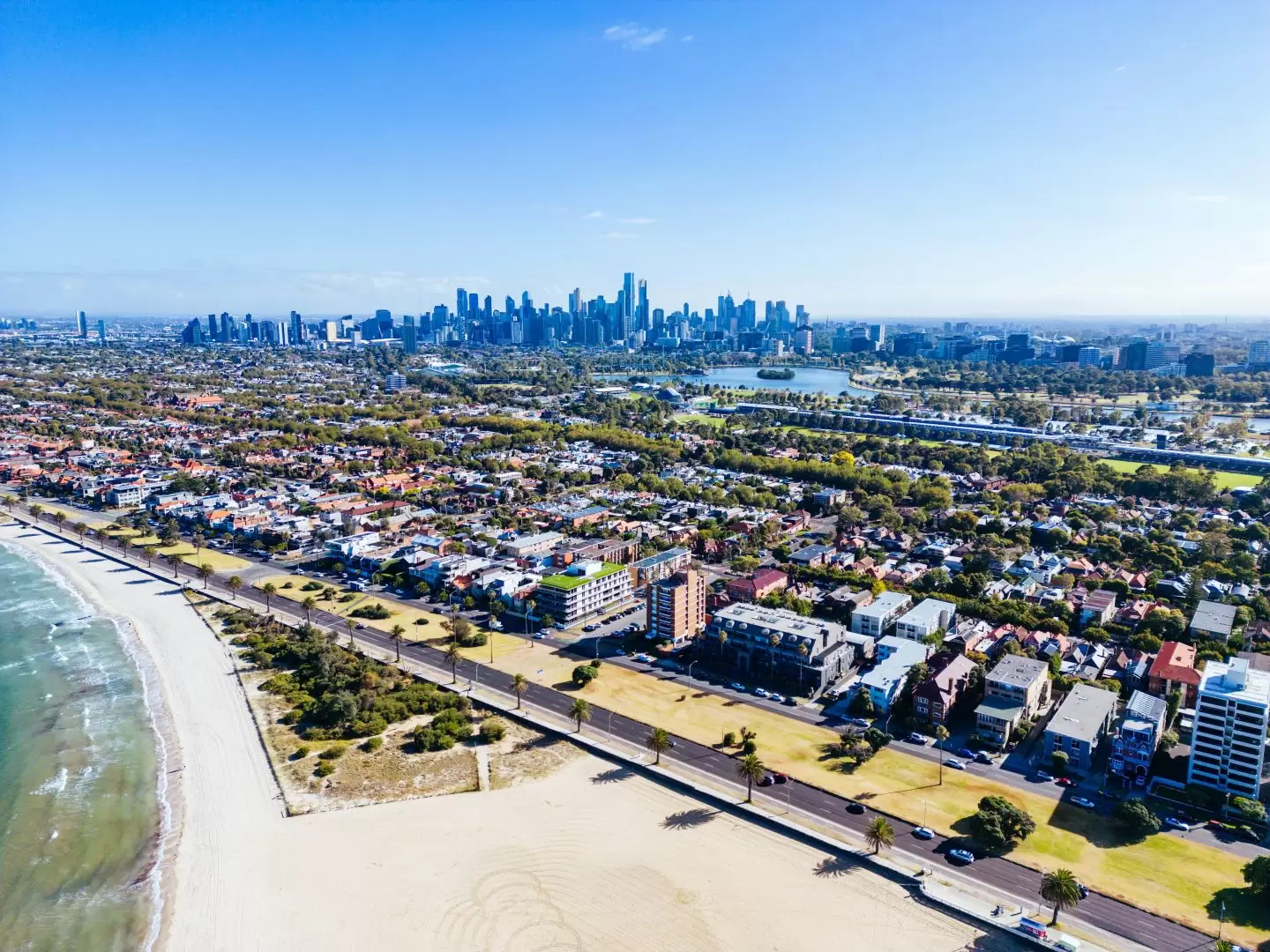


Building an investment property from the ground up gives you control over design, location, and eventual rental yield in ways that buying established stock cannot match.
Construction finance differs from standard home loans in structure and timing. Lenders release funds progressively as the build reaches defined stages rather than providing the full amount upfront. You pay interest only on what has been drawn down at each stage, which reduces your holding costs during the build. Most lenders also charge a progressive drawing fee each time funds are released, typically between $300 and $500 per draw.
How Construction Loans Release Funds
Lenders advance funds in stages tied to physical progress, typically five or six drawdowns from slab pour through to completion. Your builder submits a progress claim, the lender arranges an inspection to verify the work, and funds are released to the builder once the stage is confirmed. Between drawdowns, you only pay interest on the portion already released, not the full loan amount.
Consider an investor building a dual occupancy on a subdivided block in Glen Iris. The land purchase settles first using either cash or a separate land loan. Once council approval is granted and the builder is engaged under a fixed price building contract, construction finance is drawn in stages. After the slab is poured, the first progress payment might release 15% of the build cost. At frame stage, another 20% is released. By lockup, around 40% has been drawn, and interest accrues only on that amount. The final payment occurs at practical completion once the building is certified.
What Lenders Assess Before Approving Construction Finance
Lenders assess construction finance applications differently to standard home loans. They require council approval, a fixed price building contract with a registered builder, and detailed costings that account for the full build and associated fees. If you are purchasing land and building, they will assess your capacity to service both the land loan and the construction loan once fully drawn.
For investment properties specifically, lenders consider the end value and rental income the completed property will generate. They use this valuation to determine your loan-to-value ratio. If the build runs over time or cost, you remain responsible for the difference, which is why most lenders will not approve cost plus contracts for investment builds. The contract must specify a fixed price and a completion timeframe.
Ready to get started?
Book a chat with a Mortgage Broker at AXTON Finance today.
Interest Rate Structure and Repayment Options During Construction
During the construction phase, most lenders offer interest-only repayment options on the drawn amount. Once construction is complete, the loan converts to a standard investment loan, and you can choose whether to continue with interest-only or move to principal and interest repayments. Some lenders allow you to lock in a fixed rate before construction begins, while others keep the loan variable until completion and then offer the option to fix.
Rates on construction loans are comparable to standard investment loans, though some lenders apply a small margin during the construction phase due to the additional administration involved. The progressive drawing fee is separate and charged per inspection, so a build requiring six drawdowns will incur six separate fees.
Land and Construction Packages Versus Separate Purchases
You can structure construction finance as a single loan covering both land and build, or as two separate facilities. If you already own the land, the construction loan sits as a standalone facility. If you are purchasing land and building simultaneously, a combined package can reduce application steps, though you will still need council approval and a fixed price building contract before construction funds are released.
In Glen Iris, where suitable land for subdivision or development is limited and tightly held, many investors purchase an older home on a larger block, demolish, and rebuild. In this scenario, the existing property is refinanced or sold to fund the land component, and construction finance covers the new build. Lenders assess this structure based on the value of the land after demolition, not the value of the original dwelling.
Timeline Requirements and Commencement Conditions
Most construction loan approvals require you to commence building within a set period from the disclosure date, typically six months. If construction has not started within that window, the approval lapses and you will need to reapply. This timeline is designed to ensure the valuation and your financial circumstances remain current.
For investors, this means council approval and builder engagement must be secured before applying for finance, or at least well progressed. Delays in obtaining council approval or finalising the building contract can push you past the commencement deadline. In Glen Iris, where the area falls under the City of Stonnington and heritage overlays are common in parts of the suburb, development applications can take longer than in other municipalities. Factor this into your timeline when planning the build.
Rental Income and Serviceability Once the Build is Complete
Once construction is complete and the property is tenanted, the loan converts to a standard investment property loan. Lenders will assess your serviceability based on the rental income, typically using 80% of the assessed market rent. If you are holding multiple investment properties, the rental income from the new build can improve your overall serviceability and potentially allow you to borrow again sooner than if you had purchased established stock with lower yield.
Glen Iris is bordered by Waverley Road, Warrigal Road, Gardiners Creek, and Toorak Road, and the suburb is well serviced by Glen Iris Primary School and several private schools nearby. Properties close to these schools and the train stations at Glen Iris and Gardiner typically achieve higher rental demand, which strengthens your serviceability assessment at the refinance or conversion stage.
When Owner Builder Finance is Required
If you plan to act as owner builder, most mainstream lenders will not provide construction finance. Owner builder finance is available through specialist lenders, but rates are higher and loan-to-value ratios are lower, typically capped at 60% to 70%. Lenders view owner builder projects as higher risk due to the absence of builder insurance and the increased likelihood of cost and time overruns.
For investors, acting as owner builder rarely makes financial sense unless you have significant construction experience and the time to manage subcontractors, inspections, and council liaison. Using a registered builder under a fixed price building contract gives you access to broader financing options, lower rates, and protection under builder warranty insurance.
Call one of our team or book an appointment at a time that works for you.
Frequently Asked Questions
How does a construction loan release funds during the build?
Lenders release funds progressively as the build reaches defined stages, typically five or six drawdowns from slab to completion. You only pay interest on the amount drawn down at each stage, not the full loan amount.
What do lenders require before approving construction finance for an investment property?
Lenders require council approval, a fixed price building contract with a registered builder, and detailed costings. They also assess the end value and rental income the completed property will generate.
Can I act as owner builder when financing an investment property construction?
Most mainstream lenders will not provide construction finance for owner builder projects. Owner builder finance is available through specialist lenders but with higher rates and lower loan-to-value ratios, typically capped at 60% to 70%.
What happens to the construction loan once the build is complete?
Once construction is complete, the loan converts to a standard investment loan. You can choose to continue with interest-only repayments or switch to principal and interest, and rental income from the property is used to assess serviceability.
How long do I have to start construction after loan approval?
Most construction loan approvals require you to commence building within six months from the disclosure date. If construction has not started within that window, the approval lapses and you will need to reapply.