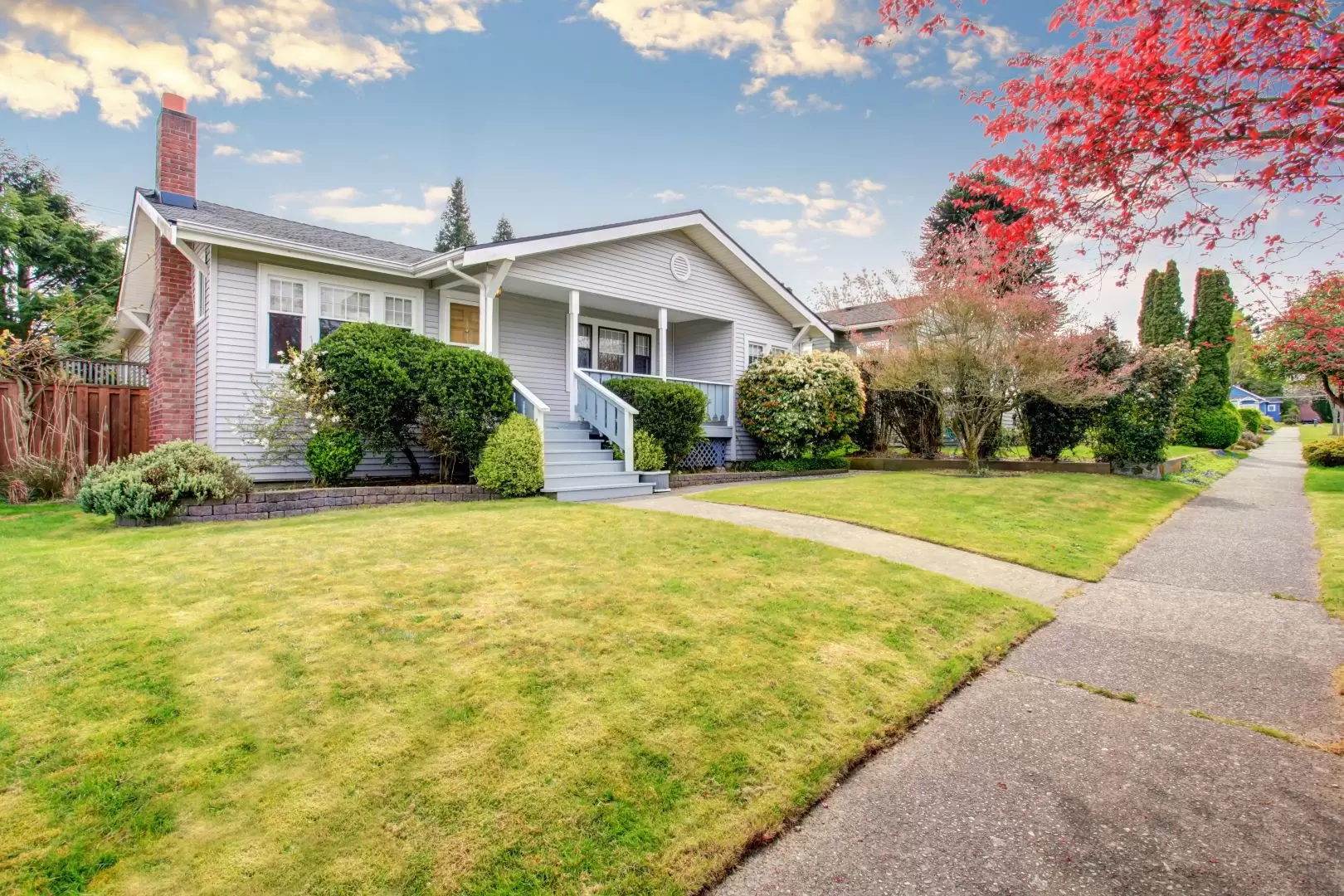


Lenders assess apartments and houses differently when calculating loan amounts and setting deposit requirements.
An apartment in a high-rise block may attract a higher interest rate or require a larger deposit than a freestanding house in the same suburb, even when both properties carry the same purchase price. The difference stems from the way lenders classify risk and apply lending policies under APRA prudential standards. Understanding how these policies affect your borrowing capacity and loan structure helps you choose the right property type for your financial position.
How Lenders Classify Apartments and Why It Affects Your Loan
Lenders classify apartments based on building type, floor area, and the percentage of owner-occupiers in the complex. A two-bedroom apartment in a walk-up block with fewer than four storeys typically receives the same treatment as a house. A studio apartment on the 20th floor of a high-rise building with more than 50 per cent investor occupancy may trigger additional lender overlays, including a reduced maximum loan amount or a higher interest rate.
Consider a buyer looking at a one-bedroom apartment in Prahran priced at the current median. The apartment measures 45 square metres and sits in a building with 120 units. The lender applies a maximum LVR of 80 per cent rather than the standard 90 per cent because the floor area falls below 50 square metres and the building contains more than 100 dwellings. The buyer needs a 20 per cent deposit to avoid LMI, rather than the 10 per cent deposit that would apply to a house at the same price. The loan amount is capped, and the buyer must either increase the deposit or select a different property.
Deposit Requirements for Apartments vs Houses Under Current Lender Policy
Deposit requirements for houses remain consistent across most lenders at 5 per cent for owner-occupied home loans using the Australian Government 5% Deposit Scheme, or 10 per cent for standard loans with LMI. Apartments meeting lender criteria follow the same thresholds. Apartments that do not meet those criteria require a minimum 20 per cent deposit, regardless of scheme eligibility or LMI availability.
Lenders apply specific exclusions to apartments based on location, building size, and unit mix. An apartment in a building with more than 30 per cent of units owned by a single entity may be excluded from standard loan products. An apartment in a postcode flagged for oversupply may require a 30 per cent deposit. Buyers considering apartments in Southbank, Docklands, or the Melbourne CBD should confirm deposit requirements before signing a contract, as lender policies in these precincts differ materially from policies applied to houses in Camberwell or Hawthorn.
Ready to get started?
Book a chat with a Mortgage Broker at AXTON Finance today.
Interest Rate Differences Between Property Types
Interest rates on apartments do not differ from rates on houses when the apartment meets lender serviceability and security criteria. Where an apartment falls outside standard lending criteria due to floor area, building height, or location, lenders may apply a rate loading of 0.10 to 0.50 percentage points above the standard variable or fixed rate. This loading applies for the life of the loan unless the loan is refinanced to a lender with different criteria.
A buyer with an owner occupied home loan on a 55-square-metre apartment in Richmond may receive a rate 0.15 percentage points higher than a buyer purchasing a house in the same suburb with the same deposit and loan amount. Over the life of the loan, this margin affects total interest paid and the speed at which equity builds. Where rate loadings apply, buyers should compare the long-term cost of the apartment loan against the potential for capital growth and rental yield in that property type.
When Apartment Loans Require a Lower LVR Than House Loans
APRA's Prudential Standard APS 112 requires lenders to hold higher capital against certain residential exposures based on the property type and LVR. Lenders apply these requirements by capping the maximum LVR on apartments that fall outside standard residential lending criteria. A house in Malvern East can be financed to 95 per cent LVR using LMI. An apartment in the same suburb with a floor area under 50 square metres may be capped at 80 per cent LVR regardless of the buyer's income or deposit.
The LVR cap applies at the point of application and remains in place for the life of the loan. A buyer who purchases an apartment at 80 per cent LVR and later seeks to refinance to access equity may find that the property still attracts the same LVR cap, limiting the amount of equity that can be released. This restriction does not apply to houses, where LVR limits are determined by the buyer's financial position rather than the property type.
Building Size, Floor Area and Owner-Occupier Ratios in Lender Assessment
Lenders assess three property characteristics when determining whether an apartment qualifies for standard loan terms: building size measured by the number of units, internal floor area measured in square metres, and the percentage of owner-occupiers in the complex. An apartment in a building with fewer than six storeys, an internal area above 50 square metres, and more than 50 per cent owner-occupier residents typically qualifies for the same loan terms as a house.
An apartment in a 200-unit tower with a floor area of 42 square metres and 70 per cent investor occupancy will trigger lender overlays. These overlays may include a reduced maximum LVR, a requirement for a larger deposit, or exclusion from certain loan products including fixed rate and offset account structures. Buyers purchasing off-the-plan apartments in South Yarra or Southbank should request strata reports and building plans before applying for pre-approval, as lender assessment depends on final building composition rather than marketing material.
Strata Title, Company Title and Lender Acceptance Across Melbourne
Most apartments in Melbourne are sold under strata title, where the buyer owns the individual unit and a share of common property. Lenders accept strata title properties for standard residential lending provided the apartment meets floor area and building criteria. Company title properties, where the buyer holds shares in a company that owns the building rather than owning the unit directly, are excluded by most mainstream lenders or require a minimum 30 per cent deposit.
Company title apartments are uncommon in Melbourne but still exist in older buildings in suburbs including St Kilda, Elwood, and parts of the inner east. Buyers considering a company title property should confirm lender acceptance before proceeding, as refinancing options remain limited even after purchase. Strata title apartments in buildings constructed after 2000 with compliant owner's corporation arrangements are accepted by all major lenders and most non-bank lenders.
Loan Features Available for Apartment Purchases
Loan features including offset accounts, redraw facilities, and the ability to split between variable and fixed rates are available on apartment loans that meet standard lending criteria. Where an apartment falls outside those criteria, lenders may restrict access to certain features or apply higher fees for feature activation.
A buyer purchasing a two-bedroom apartment in Kew with a floor area of 68 square metres can access a split loan structure with a linked offset account on the variable portion. A buyer purchasing a one-bedroom apartment in the same building with a floor area of 48 square metres may be restricted to a basic variable rate product without offset or split loan options. The restriction applies regardless of the buyer's income or deposit size and reflects the lender's internal risk settings for small-format apartments.
Borrowing Capacity Differences Between Apartment and House Purchases
Borrowing capacity for house purchases is determined by the buyer's income, existing debts, living expenses, and the lender's serviceability buffer. Borrowing capacity for apartment purchases is determined by the same factors, with an additional adjustment where the property falls outside standard lending criteria. The adjustment may take the form of a reduced maximum loan amount, a higher assessed interest rate for serviceability purposes, or a requirement to demonstrate additional genuine savings.
In our experience, buyers with identical incomes and deposit amounts receive different maximum loan offers depending on whether they are purchasing a house or an apartment in the same suburb. The difference can range from 5 per cent to 15 per cent of the property value, depending on the lender and the apartment's characteristics. Buyers who wish to maximise borrowing capacity should compare serviceability outcomes across multiple lenders, as policies differ materially between major banks and non-bank lenders. Our team can run a borrowing capacity assessment across relevant lenders before you begin your property search.
Off-the-Plan Apartment Purchases and Pre-Approval Timing
Off-the-plan apartment purchases require a different approach to loan pre-approval than established property purchases. Lenders issue conditional approval based on the apartment's proposed floor area, building design, and expected completion date, but final approval depends on the completed building meeting those specifications. Where the final building differs from the original plan, the lender may withdraw approval or adjust loan terms.
Buyers purchasing off-the-plan apartments in Southbank, South Yarra, or other high-density precincts should obtain pre-approval that remains valid until settlement and includes a clause allowing for reassessment once the building is registered. Some lenders impose a maximum LVR of 80 per cent on all off-the-plan apartment purchases regardless of building size or location. Others apply standard LVR limits but require the buyer to reconfirm income and deposit at settlement, which may be 12 to 24 months after contract signing. Buyers using the Victorian off-the-plan duty concession should confirm that the lender's loan offer remains valid through to settlement.
Investment Property Loans on Apartments vs Houses
Investment property loans on apartments follow the same LVR and deposit requirements as owner-occupied apartment loans, with additional lender assessment of rental income and serviceability. Where an apartment falls outside standard lending criteria due to floor area or building size, the lender may apply a rental income discount of 20 per cent rather than the standard 80 per cent assessment, reducing the buyer's borrowing capacity.
An investor purchasing a 50-square-metre apartment in Carnegie with an expected rental yield of $450 per week may find that the lender assesses rental income at $360 per week due to the apartment's size and building composition. The reduced rental assessment lowers serviceability and may require the investor to contribute a larger deposit or reduce the purchase price. Investors purchasing apartments in buildings with more than 100 units should model serviceability across multiple lenders before committing to a contract, as rental income treatment varies between lenders.
Call one of our team or book an appointment at a time that works for you. We'll assess your borrowing capacity across lenders, identify properties that meet your financial position, and structure your home loan application to match your deposit and loan requirements.
Frequently Asked Questions
Do apartments require a larger deposit than houses?
Apartments meeting lender criteria require the same deposit as houses, typically 5 to 10 per cent for owner-occupiers. Apartments below 50 square metres or in buildings with more than 100 units may require a minimum 20 per cent deposit, regardless of the buyer's financial position.
Can I get an offset account on an apartment loan?
Offset accounts are available on apartment loans that meet standard lending criteria. Apartments below 50 square metres or in high-rise buildings may be restricted to basic variable rate products without offset or split loan features.
How does building size affect my borrowing capacity?
Lenders apply reduced maximum LVRs and stricter serviceability assessments to apartments in buildings with more than 100 units or more than six storeys. This can reduce your borrowing capacity by 5 to 15 per cent compared to purchasing a house in the same suburb.
Are interest rates higher for apartment loans?
Interest rates on apartments are the same as houses when the apartment meets lender criteria. Apartments outside standard criteria may attract a rate loading of 0.10 to 0.50 percentage points above the standard variable or fixed rate.
What floor area do lenders require for standard apartment loan terms?
Most lenders require a minimum internal floor area of 50 square metres for apartments to qualify for standard loan terms. Apartments below this threshold may be subject to higher deposit requirements and reduced maximum LVRs.