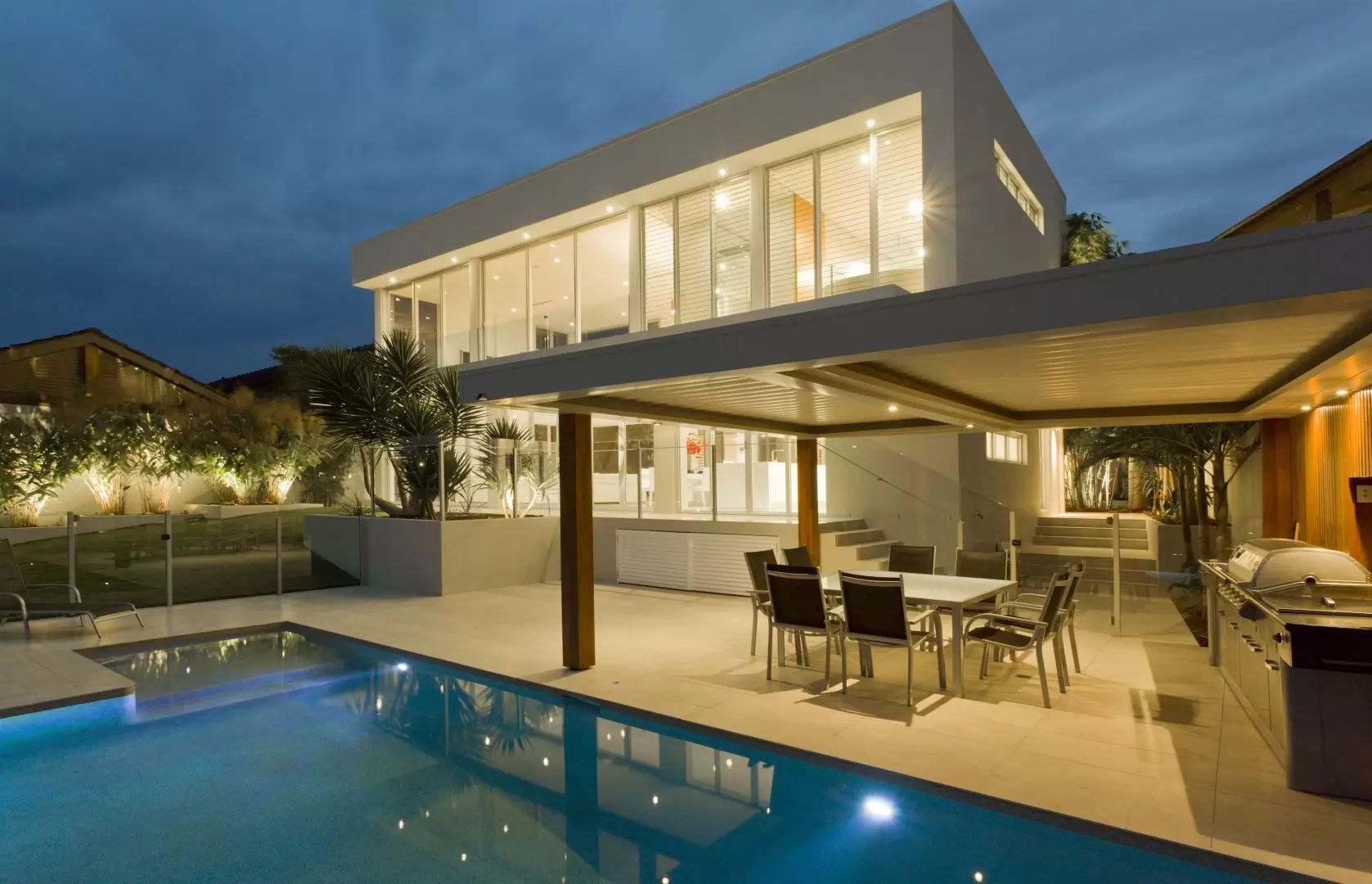


Building a custom home in Windsor means funding a project that unfolds in stages rather than a single property purchase.
Construction finance releases funds progressively as your build reaches key milestones, so you only pay interest on the amount drawn down at each stage. Unlike a standard home loan where the full amount settles on a single day, construction funding aligns with how builders actually work: land settlement, slab, frame, lock-up, fixing, and completion. Each drawdown requires a progress inspection to confirm the stage is complete before releasing the next payment.
How construction funding differs from a standard home loan
A construction loan releases funds in stages rather than as a single lump sum. The lender advances money as your builder completes each phase, which means you only pay interest on the amount drawn down so far. During the build, most lenders offer interest-only repayment options, switching to principal and interest once construction is complete and the loan converts to a standard mortgage.
Consider a Windsor buyer purchasing land near Chapel Street for a knock-down rebuild. They settle the land component first, drawing roughly 30% of the total loan amount. Over the following eight months, the lender releases funds at slab, frame, lock-up, fixing, and practical completion. At the frame stage, around 55% of the total loan is drawn, so interest applies only to that portion. By practical completion, the full loan amount is advanced and the loan converts to a standard repayment structure.
What lenders assess before approving a construction loan application
Lenders assess three core elements: your borrowing capacity, the land valuation, and the building contract. Your capacity calculation follows the same serviceability rules as any home loan, but lenders also review the fixed price building contract to confirm the total project cost. The contract must be with a registered builder and include a clear progress payment schedule tied to defined stages.
The land component requires council approval for the development application before most lenders will proceed. If you're building on land you already own, the lender values that land as part of your deposit. If you're purchasing land and building simultaneously, you'll need enough deposit to cover both the land and a portion of the construction cost, plus settlement costs for the land purchase. A land and construction package structures both elements under a single loan facility, but the land must settle before construction drawdowns begin.
Ready to get started?
Book a chat with a Mortgage Broker at AXTON Finance today.
Construction draw schedules and how progress payments work
Most construction loans follow a five or six-stage progressive drawdown. The typical schedule includes: deposit to builder, base or slab, frame, lock-up, fixing, and practical completion. Each stage represents roughly 15% to 25% of the total build cost, though the percentages vary depending on your contract.
Before each drawdown, the lender arranges a progress inspection to confirm the stage is complete. Once the inspector approves, the lender releases funds directly to the builder. Some lenders charge a progressive drawing fee for each inspection, usually between $150 and $300 per stage. This fee covers the cost of sending a qualified inspector to site.
If you're managing the project as an owner builder, lenders apply stricter criteria and often require evidence of your building experience. Owner builder finance typically involves more frequent inspections and may require detailed invoices from sub-contractors like plumbers and electricians before releasing funds for those trades.
Why fixed price contracts matter more than cost plus arrangements
A fixed price building contract locks in the total build cost before construction begins. Lenders prefer this structure because it removes uncertainty around the final loan amount. The contract should specify the total price, the progress payment schedule, and a timeframe to commence building within a set period from the disclosure date.
Cost plus contracts, where the builder charges for materials and labour as the project progresses, create funding risk. Most mainstream lenders will not approve construction finance under a cost plus arrangement because the final cost remains unknown. If your builder proposes a cost plus structure, expect limited lender options and higher interest rates to offset the risk.
Windsor's mix of heritage overlays and planning restrictions can extend council approval timeframes, particularly for sites near the Chapel Street precinct or within the Heritage Overlay. Your building contract should account for this by setting realistic timeframes for council plans and allowing flexibility if approvals take longer than expected. Lenders require valid council approval before the first construction drawdown, so budget for potential delays when planning your build timeline.
Interest rates and how they compare to standard home loans
Construction loan interest rates sit slightly higher than standard variable rates during the building phase, typically 0.10% to 0.25% above the lender's advertised home loan rate. This reflects the additional administration involved in managing progressive drawdowns and inspections. Once construction is complete and the loan converts to a standard mortgage, the rate typically reverts to the lender's equivalent home loan product.
During construction, you can choose between variable and fixed rate options, though most borrowers stay on a variable rate until the build is finished. Fixing your rate during construction locks in the cost for drawdowns that haven't yet occurred, which can be useful if rates are rising but adds complexity if the build timeline extends beyond the original estimate.
If you're building a custom design rather than a project home, some lenders apply slightly higher rates or require a larger deposit due to the perceived resale risk of a highly individual design. Custom home finance structures vary between lenders, so comparing your options before committing to a builder makes sense.
Windsor-specific considerations for land and build projects
Windsor's established residential character and proximity to Prahran and South Yarra make it a popular location for knock-down rebuilds and custom builds. Land prices reflect the suburb's inner-city position, with suitable land typically requiring council approval for multi-dwelling developments or contemporary designs that sit within heritage guidelines.
The suburb's Heritage Overlay areas, particularly around the Punt Road and High Street precinct, add complexity to development applications. Council approval timelines can extend to several months if your design requires a planning permit, so factor this into your construction timeline. Most lenders require valid council approval and a building permit before releasing the first drawdown, which means delays at the planning stage push back your entire build schedule.
If you're purchasing a house and land package in a newer subdivision, the approval process is usually faster because the developer has already secured planning permission for the estate. However, Windsor's established streetscape means most builds involve individual approvals rather than pre-approved estate designs.
How much deposit you need and where it can come from
Most lenders require a deposit of at least 10% of the total project cost, including both land and construction. If you're borrowing more than 80% of the project value, you'll pay Lenders Mortgage Insurance, which is calculated on the combined land and build cost.
Your deposit can include cash savings, equity from an existing property, or a combination of both. If you already own the land, the equity in that land counts towards your deposit for the construction component. If you're purchasing land and building simultaneously, the deposit must cover the land settlement first, with the construction component funded through progressive drawdowns as the build advances.
Some lenders offer low deposit loans with as little as 5% down, though these typically come with higher LMI costs and stricter serviceability requirements. If you're a first home buyer building in Windsor, check whether you qualify for any stamp duty concessions on the land component before settlement.
Call one of our team or book an appointment at a time that works for you to discuss how construction finance works for your Windsor build and which lender structures suit your deposit, timeline, and design plans.
Frequently Asked Questions
How does a construction loan differ from a standard home loan?
A construction loan releases funds progressively as your build reaches key stages like slab, frame, and lock-up, rather than as a single lump sum. You only pay interest on the amount drawn down at each stage, and most lenders offer interest-only repayments during construction before converting to a standard mortgage at completion.
What deposit do I need for a land and construction package?
Most lenders require at least 10% of the total project cost, covering both land and construction. If you already own the land, the equity in that land counts towards your deposit for the construction component. Borrowing above 80% of the project value means paying Lenders Mortgage Insurance on the combined land and build cost.
Do I need council approval before applying for construction finance?
Yes, most lenders require valid council approval and a building permit before releasing the first construction drawdown. In Windsor's Heritage Overlay areas, planning permits can take several months, so factor this into your build timeline when planning your project.
Can I use a cost plus contract for construction finance?
Most mainstream lenders will not approve construction finance under a cost plus contract because the final build cost remains unknown. Lenders prefer fixed price building contracts that lock in the total project cost and include a clear progress payment schedule tied to defined stages.
What happens to my construction loan interest rate after the build finishes?
Construction loan interest rates typically sit 0.10% to 0.25% above standard home loan rates during the building phase. Once construction is complete and the loan converts to a standard mortgage, the rate reverts to the lender's equivalent home loan product and you switch from interest-only to principal and interest repayments.