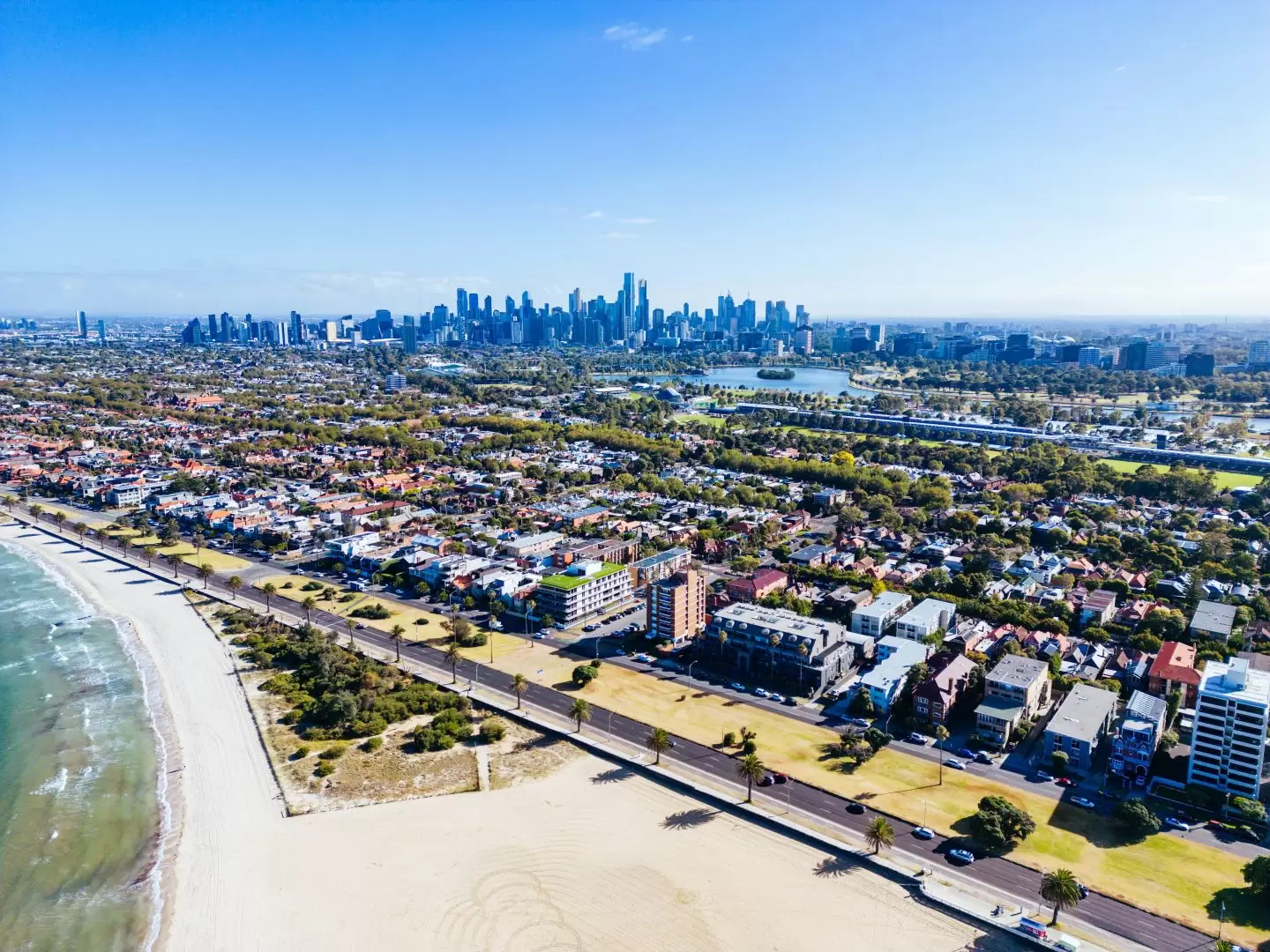


Purchasing a pharmacy building in Surrey Hills positions your practice on one of Melbourne's most established retail strips while building equity in a tangible asset.
The Union Road precinct, running through the heart of Surrey Hills, supports a stable mix of medical, retail, and professional services. Pharmacy buildings in this area typically range from $1.2 million to $2.8 million depending on size, frontage, and whether the property includes upper-level residential space. These buildings often combine ground-floor retail with established patient bases and a demographic profile weighted toward families and older residents who generate consistent prescription volumes.
How Secured Business Loans Apply to Pharmacy Property Purchases
A secured business loan uses the pharmacy building itself as collateral, which allows lenders to offer more favourable terms than unsecured business finance. The loan amount typically covers 60% to 70% of the property value for commercial property purchases, meaning you'll need a deposit of 30% to 40% of the purchase price.
Consider a buyer acquiring a $1.8 million pharmacy building on Union Road. With a 65% loan-to-value ratio, the lender advances $1.17 million, requiring a $630,000 deposit. The secured business loan terms might include a variable interest rate with redraw facilities, allowing you to access additional payments if cash flow needs arise. Lenders assess commercial lending applications based on rental income if you lease part of the building, projected turnover from the pharmacy business, and your business credit score.
Variable vs Fixed Interest Rates for Commercial Property
Variable interest rates on commercial property loans adjust with market conditions, while fixed rates lock in your repayment amount for a set period, usually one to five years. Each structure serves different business scenarios.
A variable rate offers flexibility if you plan to make irregular additional payments or repay the loan ahead of schedule. Redraw facilities typically attach to variable loans, letting you withdraw extra payments when you need working capital for stock purchases or equipment upgrades. Fixed rates provide certainty when forecasting expenses, particularly useful if you're managing tight margins or planning business expansion within the loan term. Many buyers split their loan between fixed and variable portions to balance predictability with flexibility.
Ready to get started?
Book a chat with a Mortgage Broker at AXTON Finance today.
Loan Structure and Repayment Terms for Healthcare Properties
Commercial lenders typically offer business term loans for pharmacy buildings with repayment periods between 10 and 25 years. Shorter terms mean higher monthly payments but less interest paid over the life of the loan. Longer terms reduce monthly obligations, preserving cash flow for operational expenses.
Flexible repayment options matter when your business faces seasonal variations or unexpected expenses. Some lenders structure loans with interest-only periods for the first one to three years, reducing initial outgoings while you establish or grow the business. Principal and interest repayments then commence, building equity in the property over time. In our experience, owner-operators who plan to retire within 10 to 15 years often prefer shorter loan terms that align with their exit strategy, while those building a long-term practice favour extended repayment periods that prioritise cash flow.
How Lenders Assess Pharmacy Property Applications
Lenders evaluate your application using your business plan, business financial statements, and projected cash flow from both the pharmacy operation and any rental income from the property. The debt service coverage ratio measures whether your business generates enough income to cover loan repayments comfortably, with most lenders requiring a ratio of at least 1.25.
Your application needs to demonstrate how the property purchase supports business growth, whether through increased foot traffic, expanded floor space for additional services, or eliminating rent expenses that currently reduce profit margins. If you're also completing a business acquisition alongside the property purchase, lenders assess the combined transaction, examining the pharmacy's patient database, prescription volumes, and Medicare billings. Access to business loan options from banks and lenders across Australia means comparing terms, with some lenders specialising in healthcare properties and understanding the specific revenue patterns of pharmacy businesses.
When Progressive Drawdown Applies to Pharmacy Renovations
Progressive drawdown allows you to access the loan amount in stages rather than as a lump sum, particularly useful if you're purchasing a building that requires renovation before opening. The lender releases funds as renovation milestones complete, verified by invoices and site inspections.
As an example, a buyer purchasing a $1.5 million pharmacy building on Canterbury Road that needs $200,000 in internal fit-out might structure a $1.1 million loan with progressive drawdown. The initial advance covers the property purchase, then subsequent drawdowns release funds for demolition, electrical upgrades, shopfitting, and final fixtures. This structure means you only pay interest on funds actually drawn, reducing costs during the renovation period.
Working Capital and Equipment Financing Alongside Property Purchase
Purchasing a building often coincides with needing working capital for stock, equipment financing for dispensary systems, or funds to cover unexpected expenses during transition periods. Some lenders combine these requirements into a single facility, while others prefer separate loans for property and operational needs.
A business line of credit or business overdraft can supplement your property loan, providing access to funds for day-to-day operations without drawing on the property loan itself. These revolving credit facilities let you borrow, repay, and reborrow up to an approved limit, useful for managing the timing differences between supplier payments and customer receipts. Equipment financing specifically for dispensary robots, compounding equipment, or refrigeration units may offer tax advantages through different depreciation treatments, so discussing loan structure options with your accountant before finalising your finance often identifies opportunities to reduce your overall tax position.
Why Surrey Hills Pharmacy Properties Hold Value
The Surrey Hills shopping precinct serves an established residential area with limited new retail development, creating stable demand for well-located healthcare services. Pharmacy buildings in this area benefit from high passing foot traffic, proximate medical centres, and demographics that generate consistent prescription volumes.
Property values in commercial strips like Union Road and Mont Albert Road correlate with tenant quality and lease terms. If you occupy the building yourself, lenders view this positively as it eliminates vacancy risk. If you lease part of the building to other tenants, those lease agreements strengthen your application by demonstrating additional income streams that support loan serviceability. Buildings with rear access, parking, or development potential for upper floors often command premium prices but also offer stronger resale prospects when you eventually exit the business.
Call one of our team or book an appointment at a time that works for you to discuss how commercial lending structures can support your pharmacy property purchase in Surrey Hills.
Frequently Asked Questions
How much deposit do I need to purchase a pharmacy building?
Commercial property loans for pharmacy buildings typically require a deposit of 30% to 40% of the purchase price. Lenders usually advance 60% to 70% of the property value as a secured business loan using the building as collateral.
Can I finance building renovations as part of the pharmacy property loan?
Yes, progressive drawdown structures allow you to access loan funds in stages as renovation milestones complete. This means you only pay interest on funds actually drawn, reducing costs during the fit-out period before opening.
What financial documents do lenders need for pharmacy property applications?
Lenders assess your business plan, business financial statements, and projected cash flow from both pharmacy operations and any rental income. They calculate your debt service coverage ratio to ensure your business generates sufficient income to cover loan repayments comfortably.
Should I choose a fixed or variable interest rate for a pharmacy building loan?
Variable rates offer flexibility for additional payments and redraw facilities for accessing working capital. Fixed rates provide repayment certainty for budgeting. Many buyers split their loan between both to balance predictability with flexibility.
Can I combine property finance with equipment and working capital loans?
Yes, some lenders structure combined facilities covering property purchase, equipment financing, and working capital needs. Others prefer separate loans for each purpose, which may offer tax advantages through different depreciation treatments for equipment.