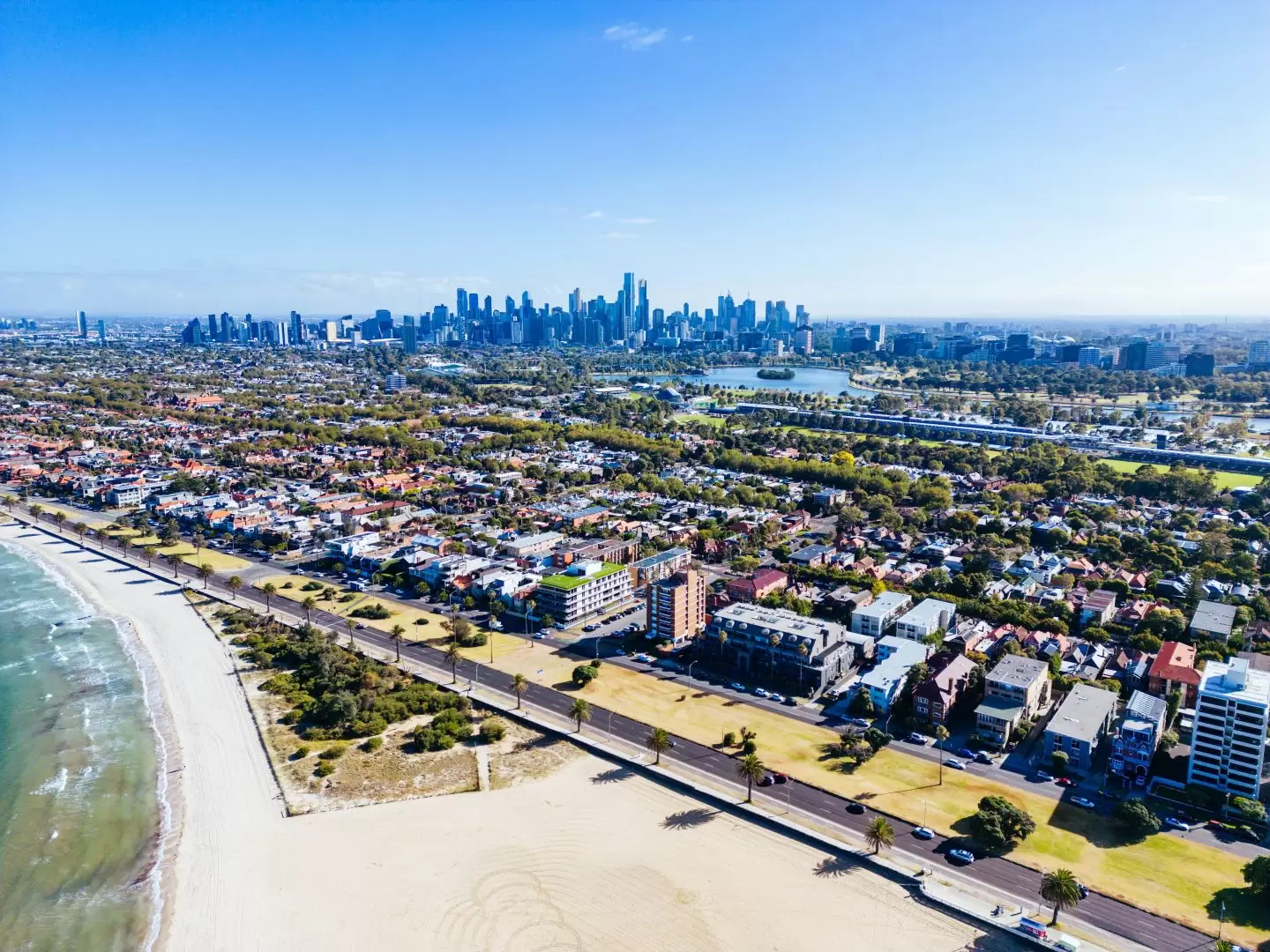


Purchasing an investment property in Windsor means working with lenders who understand how rental yields and loan structures interact in a suburb where tenant demand remains strong year-round.
The proximity to Chapel Street, St Kilda Road, and multiple tram lines makes Windsor attractive to renters, which influences how lenders view your application. When you apply for an investment loan, lenders assess your borrowing capacity differently than they would for an owner-occupied purchase. They factor in rental income but typically only count 80% of the expected rent to account for vacancy periods and maintenance costs.
How Lenders Calculate Your Investment Loan Amount
Lenders determine your borrowing capacity by adding 80% of the anticipated rental income to your existing income, then subtracting your current debts and living expenses. The loan to value ratio (LVR) you can access depends on your deposit size and whether you're purchasing in a capital city, which Windsor qualifies as being part of metropolitan Melbourne.
Consider a buyer who earns $120,000 annually and wants to purchase a two-bedroom apartment in Windsor for $650,000. The property generates $550 per week in rent, or $28,600 annually. Lenders add $22,880 (80% of rental income) to the buyer's salary, creating a combined income of $142,880 for serviceability calculations. With a 15% deposit of $97,500, the buyer requires an investment property loan of $552,500, representing an 85% LVR. At this ratio, Lenders Mortgage Insurance (LMI) applies, but the purchase proceeds because the combined income comfortably services the debt.
Interest Only Investment Structures in High-Rental Areas
Interest only repayment structures allow you to pay only the interest portion of your loan for a set period, typically one to five years. This reduces your monthly repayments compared to principal and interest loans, which can improve cash flow if the property generates negative gearing benefits or if you want to direct surplus funds toward additional investments.
In Windsor, where two-bedroom apartments might rent for $500 to $600 per week, an interest only structure on a $550,000 loan at current variable rates results in monthly repayments of approximately $2,000 to $2,200, compared to $2,800 to $3,000 on principal and interest terms. The difference provides flexibility for property investors building a portfolio or managing multiple debts. Once the interest only period ends, the loan reverts to principal and interest unless you refinance or negotiate an extension.
Ready to get started?
Book a chat with a Mortgage Broker at AXTON Finance today.
Variable Rate Versus Fixed Rate for Investment Property Finance
Variable interest rate products offer flexibility to make extra repayments, access offset accounts, and avoid break costs if you decide to refinance or sell. Fixed interest rate products lock in your repayment amount for one to five years, protecting you from rate increases but restricting additional repayments beyond small annual limits.
In our experience, property investors in Windsor often split their loan between variable and fixed portions. This approach captures the security of fixed rates on a portion of the debt while maintaining the flexibility to make extra payments or access equity through the variable portion. If you hold a fixed rate investment loan and rates drop significantly, switching lenders through investment loan refinance may incur break costs, so the split structure reduces this risk.
Understanding Investor Deposit Requirements and Equity Release
Most lenders require a minimum 10% deposit for investment purchases, though borrowing at 90% LVR triggers LMI. If you already own property in suburbs like Windsor or nearby Prahran, you can leverage equity from your existing home to fund the deposit rather than using cash savings.
Equity release works by refinancing your current property to access the difference between what you owe and 80% of its current value. If your Windsor home is worth $900,000 and you owe $300,000, you have $720,000 available at 80% LVR. Subtracting your existing debt leaves $420,000 in usable equity. Releasing $100,000 of this to fund a deposit on a second property means you avoid saving cash over several years, though you increase the debt on your current home. Lenders assess both properties when calculating serviceability, so rental income from the new purchase supports your application.
Tax Benefits and Claimable Expenses for Windsor Investors
Owning an investment property allows you to claim loan interest, property management fees, council rates, insurance, depreciation, and maintenance costs as tax deductions. Negative gearing occurs when your claimable expenses exceed rental income, reducing your taxable income. In Windsor, where body corporate fees on apartment buildings can range from $3,000 to $6,000 annually, these costs become deductible expenses alongside your loan interest.
Stamp duty in Victoria applies at progressive rates based on purchase price. For a $650,000 investment property, stamp duty totals approximately $34,000, which you pay upfront at settlement. While stamp duty itself isn't an ongoing claimable expense, understanding this upfront cost helps you structure your deposit and loan amount accurately. Maximise tax deductions by keeping detailed records of all property-related expenses and working with an accountant who understands property investment strategy.
Accessing Investment Loan Options from Multiple Lenders
Working with AXTON Finance gives you access to investment loan products from banks and lenders across Australia, rather than being limited to one institution's offerings. Different lenders assess rental income, LVR limits, and LMI costs differently, particularly when you're expanding your property portfolio beyond a single investment.
Some lenders cap investor lending at 80% LVR without LMI if you work in specific professions, while others extend to 90% or 95% LVR for all borrowers but charge higher LMI premiums. Certain lenders include offset accounts as standard on variable rate investment loans, while others charge monthly fees for this feature. Comparing investment loan features across multiple lenders ensures you secure the structure that aligns with your financial position and long-term goals for passive income and portfolio growth.
Call one of our team or book an appointment at a time that works for you to discuss how investment property finance works for your situation in Windsor.
Frequently Asked Questions
How much deposit do I need for an investment property in Windsor?
Most lenders require a minimum 10% deposit for investment property purchases. Borrowing above 80% LVR triggers Lenders Mortgage Insurance, which increases your upfront costs but allows you to purchase sooner with a smaller deposit.
How do lenders assess rental income for investment loans?
Lenders typically count 80% of expected rental income when calculating your borrowing capacity. This accounts for potential vacancy periods and maintenance costs, so a property renting for $550 per week contributes $22,880 annually toward serviceability.
What is the difference between interest only and principal and interest investment loans?
Interest only loans require you to pay only the interest portion for a set period, reducing monthly repayments and improving cash flow. Principal and interest loans include both components from the start, building equity faster but requiring higher monthly payments.
Can I use equity from my current home to buy an investment property?
Yes, you can refinance your existing property to release equity for an investment deposit. Lenders allow you to borrow up to 80% of your home's value, so any amount above your current loan balance becomes available equity.
What expenses can I claim on an investment property in Windsor?
You can claim loan interest, property management fees, council rates, insurance, body corporate fees, maintenance costs, and depreciation. These deductions reduce your taxable income, particularly when total expenses exceed rental income through negative gearing.