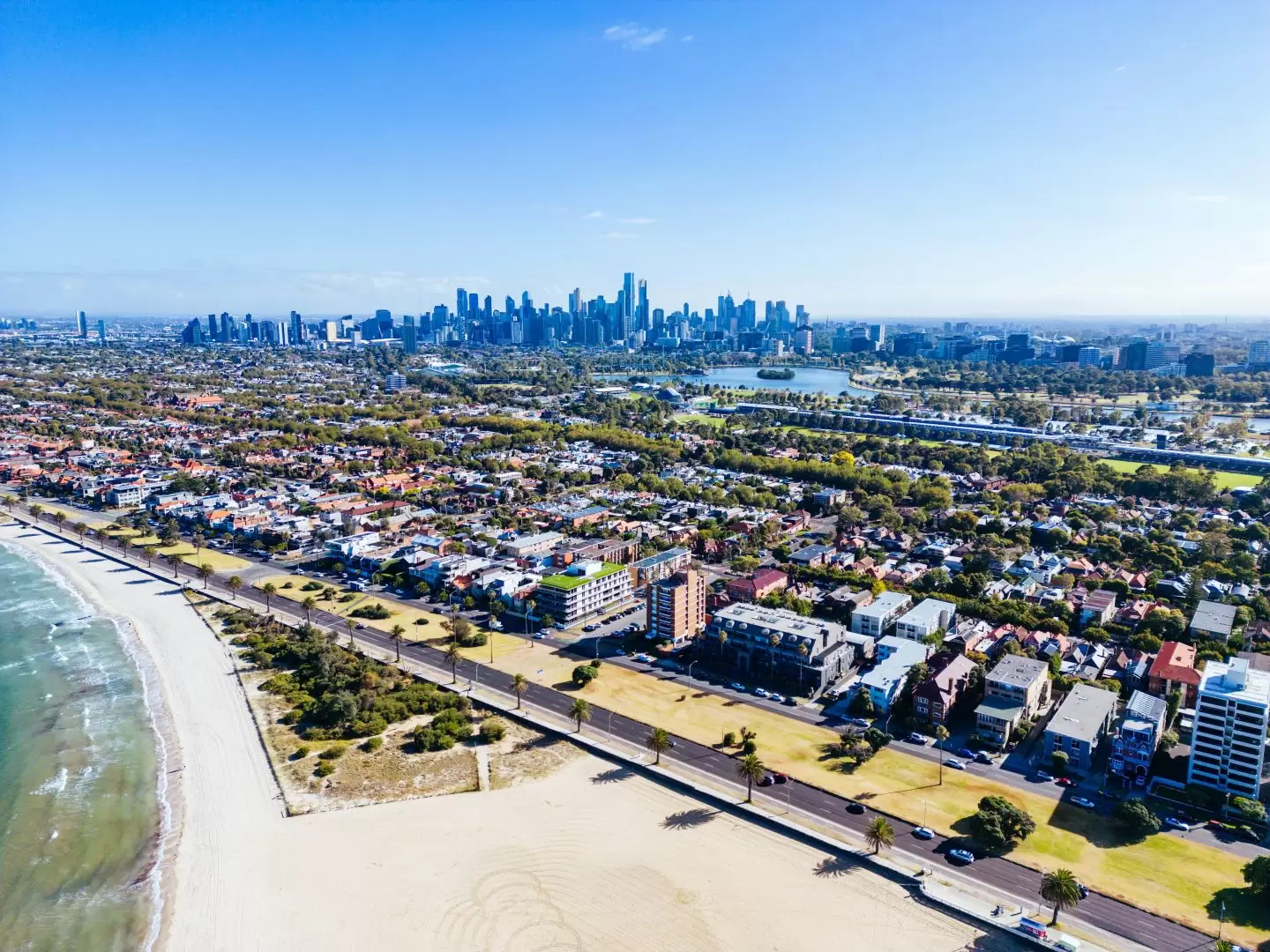


Multi-unit development finance operates under different rules to standard construction lending.
Lenders assess the project viability, presale requirements, and your capacity to service debt during construction when all you have is an interest burden and no rental income. Getting the structure wrong at application stage can lock you into unfavourable draw conditions or push your project timeline back by months.
Why Presale Requirements Vary Between Lenders
Most lenders require between 50% and 70% of units presold before releasing construction funds for developments over three units. The percentage depends on your development experience, equity position, and whether you have a registered builder or a cost plus contract. A developer in Malvern planning four townhouses with a fixed price building contract and two units presold to owner-occupiers might meet the threshold with one mainstream lender but fall short with another that requires three presales or a higher deposit contribution. This threshold determines whether your project proceeds or sits waiting for buyers.
Lenders treat presales differently depending on contract terms. Unconditional contracts with 10% deposits carry more weight than conditional offers. If your presale contracts include long settlement periods or sunset clauses beyond 18 months, some lenders will discount them entirely when calculating your presale ratio. The structure of those contracts shapes your funding capacity as much as the number of sales.
Fixed Price Contracts Reduce Funding Risk
A fixed price building contract gives lenders certainty on total project costs. Under a cost plus contract, the builder charges for materials and labour plus a margin, which means the final cost can shift if trades or materials become more costly. Lenders lending against a cost plus arrangement typically hold back a larger contingency buffer and may reduce the total loan amount available. In a scenario where a Malvern developer is building three dwellings on a subdivided block, moving from cost plus to a fixed price contract could increase available construction funding by 5% to 10% of the project value simply because the lender's risk exposure is clearer.
Ready to get started?
Book a chat with a Mortgage Broker at AXTON Finance today.
How Progressive Drawdown Schedules Work in Practice
Construction funding is released in stages tied to completed milestones, not based on invoices alone. The typical progress payment schedule includes slab down, frame up, lock-up, fixing, and practical completion. Each stage triggers a progress inspection by the lender's valuer, and funds are released only after that inspection confirms the work matches the claimed stage. You pay interest only on the amount drawn down, so if you have accessed 40% of the approved loan amount, you are charged interest on that portion while the remainder sits undrawn.
Consider a developer constructing a dual occupancy project in Malvern East where the land and construction package totals $1.8 million and the lender has approved 75% of costs. The progressive drawdown might release $200,000 at slab, $250,000 at frame, $180,000 at lock-up, and so on. Each draw incurs a progressive drawing fee, typically between $300 and $500 per inspection depending on the lender. If council approval was delayed and the frame stage is reached three months later than planned, the interest cost during that period is higher because more funds remain drawn while the project sits incomplete. The project's cash flow depends on aligning the draw schedule with your builder's progress payment requirements and your ability to cover any gaps.
Council Approval Timing Affects Loan Conditions
Most construction loan approvals require you to commence building within a set period from the disclosure date, usually six to twelve months. If your development application is still with council when you apply for finance, the lender will issue conditional approval but will not release funds until council plans are stamped and a building permit is issued. Malvern sits within the City of Stonnington, where planning processes for multi-unit developments can extend beyond six months if there are objections or design amendments required. Missing the commencement deadline means reapplying for finance, often at a different interest rate and under revised lending policies.
Some developers apply for finance too early and let the approval lapse while waiting on council. Others apply too late and find their preferred lender has tightened development lending criteria in the interim. The timing between development application lodgement, finance application, and council approval needs to be sequenced so your loan remains valid when you are ready to build.
Why Interest-Only Repayment Options Matter During Construction
During the construction phase, you are paying interest on drawn funds without receiving rental income or settlement proceeds. Interest-only repayment options reduce your monthly outgoings while the project is being built, which matters when you are also covering holding costs on the land, insurance, and any remaining progress payments not covered by the draw schedule. Once units are completed and either tenanted or sold, the loan either converts to principal and interest or is discharged.
If your construction period extends due to weather delays, builder availability, or material shortages, the interest-only period needs to be long enough to cover the revised timeline. Some lenders offer 12-month interest-only terms on construction loans, others extend to 18 or 24 months. Choosing a lender with a longer interest-only term provides a buffer if the project takes longer than forecast, but you will pay a slightly higher construction loan interest rate in exchange for that flexibility.
What Happens When You Build as an Owner Builder
Owner builder finance is available but comes with stricter conditions. Lenders require evidence that you hold the appropriate owner builder permit, have relevant trade qualifications or construction management experience, and can demonstrate that you have arranged licensed plumbers, electricians, and other sub-contractors. The progressive drawdown schedule is often more granular, with additional inspections required before funds are released to pay sub-contractors.
Lenders also reduce the loan amount available to owner builders because the risk of cost overruns or incomplete work is higher without a registered builder providing a contract and warranty. Where a developer using a registered builder might access 80% of project costs, an owner builder on the same development in Malvern might be capped at 65% or 70%, which means finding a larger deposit or contributing more equity from other sources.
Matching the Right Lender to Your Development Structure
Not all lenders fund multi-unit developments, and those that do each have different risk appetites depending on unit count, location, and your experience. A first-time developer building a duplex will find more lender options than someone planning a six-unit development, even on the same street. Malvern's median land values and established demand for medium-density housing make it an attractive area for development finance, but that does not mean every lender will approve every project.
Access to construction loan options from banks and lenders across Australia means comparing presale requirements, drawdown terms, and whether the lender will fund cost plus or requires a fixed price contract. Some lenders charge higher progressive drawing fees but offer lower interest rates. Others have faster approval times but require larger deposits. Working with a broker who understands which lenders fund developments in the Stonnington area and what each lender needs at application stage removes the risk of applying to the wrong lender and delaying your start date.
Call one of our team or book an appointment at a time that works for you.
Frequently Asked Questions
What presale percentage do lenders require for multi-unit developments?
Most lenders require between 50% and 70% of units presold before releasing construction funds for developments over three units. The exact percentage depends on your development experience, equity position, and contract type.
How does a fixed price building contract affect construction loan approval?
A fixed price building contract gives lenders certainty on total project costs, which typically increases the loan amount available and reduces the contingency buffer held back. Cost plus contracts carry higher risk and often result in lower loan-to-cost ratios.
When are construction funds released during a multi-unit development?
Construction funding is released in stages tied to completed milestones such as slab down, frame up, lock-up, fixing, and practical completion. Each stage requires a progress inspection by the lender's valuer before funds are drawn.
What happens if council approval is delayed after loan approval?
Most construction loan approvals require you to commence building within six to twelve months from the disclosure date. If council approval delays your start, you may need to reapply for finance under revised lending policies and potentially different interest rates.
Can I get construction finance as an owner builder for a multi-unit development?
Owner builder finance is available but comes with stricter conditions and lower loan-to-cost ratios, typically 65% to 70% instead of 80%. You will need an owner builder permit, trade qualifications or construction management experience, and evidence of licensed sub-contractors.