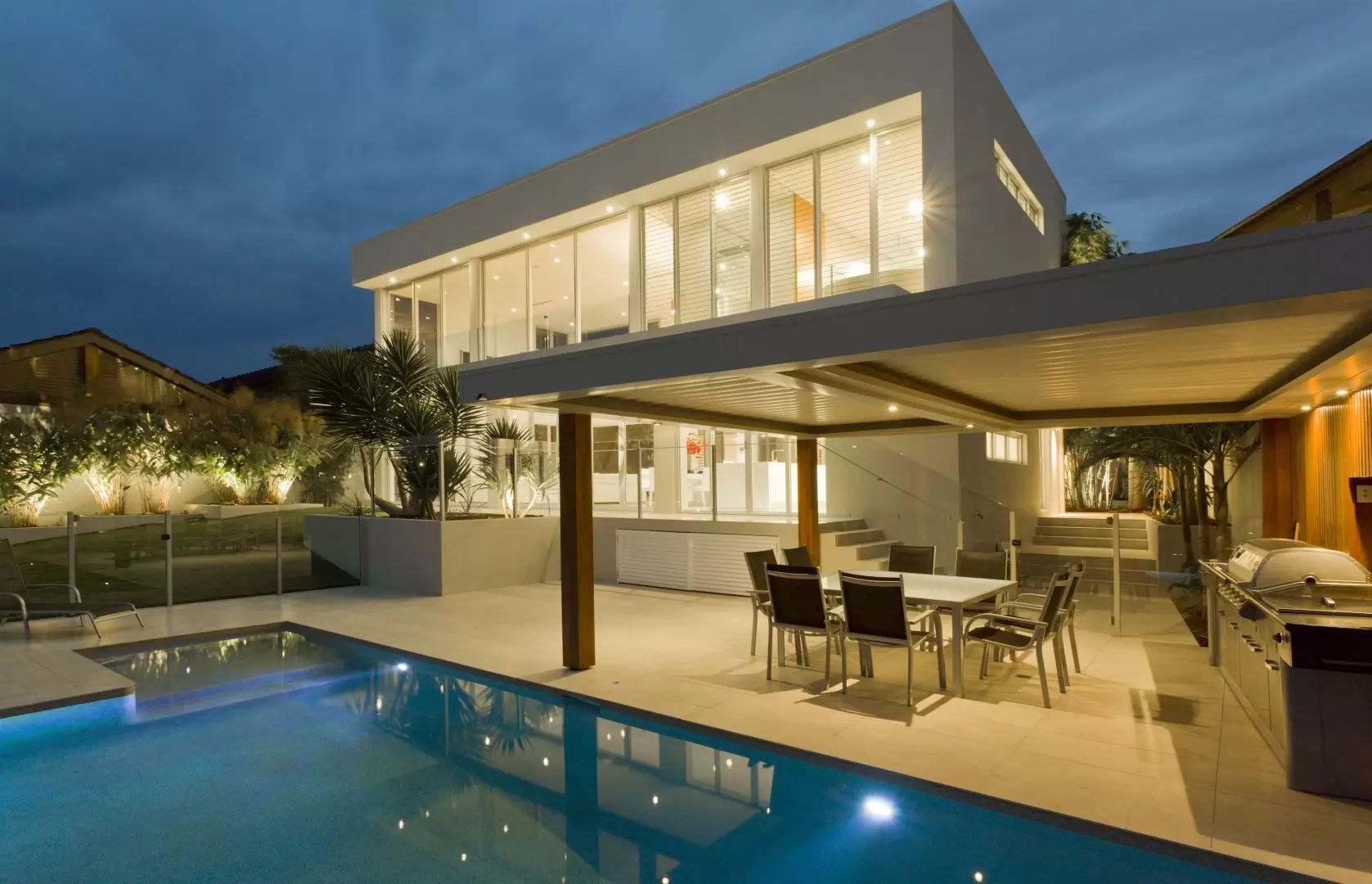


Commercial development finance provides funds in stages as a project reaches specific milestones, rather than as a single upfront sum.
South Yarra's position between the CBD and Toorak has made it a significant location for commercial redevelopment, particularly along Toorak Road and Chapel Street. Property owners in this area often face different funding considerations compared to other Melbourne suburbs because of land values, presale requirements, and the mix of heritage and modern planning controls.
How Commercial Development Finance Differs from Standard Property Loans
Commercial development finance releases funds progressively as construction reaches agreed milestones, with the lender advancing funds against certified completion of each stage. A progressive drawdown structure means you only pay interest on the amount drawn at any given time, rather than the total approved facility.
Consider someone redeveloping a two-storey commercial building on Toorak Road into retail with office above. The loan amount might be $4.2 million, but the lender releases $800,000 for land acquisition, then further amounts as demolition completes, foundation work finishes, each floor reaches lock-up stage, and finally at practical completion. During the first four months, while only $800,000 has been drawn, interest charges apply to that amount alone.
This approach to commercial property finance protects both the borrower and the lender by ensuring funds align with actual construction progress and reducing interest costs during the early phases when little capital has been deployed.
Loan to Value Ratios and Presale Requirements
Lenders typically advance 60-70% of the completed project value for commercial development, with the gap between construction costs and loan amount requiring either equity or presale commitments. The commercial LVR calculation uses the lower of cost or as-complete valuation, which matters when land values are high relative to construction costs.
In South Yarra, where commercial land might cost $6,000-$8,000 per square metre along premium strips, the land component often represents a larger proportion of total project cost than in other suburbs. A developer purchasing a 400 square metre site for $2.8 million and budgeting $1.4 million for construction faces a total cost of $4.2 million. At 65% LVR, the lender advances $2.73 million, leaving a $1.47 million funding gap. Lenders may reduce this gap to around $1 million if the developer secures presales covering 40-50% of the completed space.
Presale requirements vary based on project scale and the developer's track record. Smaller projects under $5 million with experienced developers may proceed with minimal presales, while larger mixed-use developments typically require signed lease agreements covering a substantial portion of the commercial space before drawdown begins.
Ready to get started?
Book a chat with a Mortgage Broker at AXTON Finance today.
Interest Rates and Loan Structure for Development Projects
Commercial development finance typically carries variable interest rates between 1.5% and 3.5% above the bank benchmark rate, with the margin reflecting project risk, developer experience, and presale strength. Most lenders structure these facilities with an interest capitalisation option during construction, meaning interest accrues and is added to the loan balance rather than requiring monthly cash payments.
The loan structure usually includes a construction period of 12-24 months followed by a takeout period where the facility converts to a standard commercial property loan or the developer refinances to longer-term debt. Some developers use commercial bridging finance as a secondary facility to cover the equity gap during construction, particularly when they plan to sell on completion rather than hold the asset.
Flexible repayment options during construction allow developers to make interest payments from project cash flow once tenants occupy the building, or to capitalise all interest until sale or refinance. The choice depends on whether the project generates income during construction and the developer's broader cash position.
Commercial Property Valuation and Progress Claims
Lenders require both an 'as-is' and 'as-complete' commercial property valuation before approving development finance, with the valuer assessing the site's current worth and its projected value once construction finishes. Progress claims then determine when the lender releases each tranche of funds, with a quantity surveyor certifying that work matching the claimed amount has been completed.
In a scenario where a warehouse near the South Yarra-Cremorne border is being converted to creative office space, the lender might approve a facility based on an as-complete valuation of $3.8 million against construction costs of $2.4 million. The developer submits progress claims monthly, supported by the builder's invoices and the quantity surveyor's verification. Once the surveyor confirms that foundation and structural work representing $600,000 has been completed, the lender releases that amount directly to the builder or to the developer's project account.
This verification process protects against over-claiming and ensures the development stays on budget. If costs blow out or construction stalls, the lender can halt further drawdowns until the issue resolves, which is why experienced developers build a contingency of 10-15% into their initial cost estimates.
Collateral and Security Considerations
Commercial development finance is a secured commercial loan, with the lender taking a first mortgage over the development site and typically requiring a charge over the completed building. Additional collateral may include personal guarantees from directors, charges over other investment properties, or bank guarantees covering a portion of the funding gap.
For strata title commercial developments, where individual units will be sold separately, lenders require a different security structure. The developer must establish a plan of subdivision before the first unit settles, with the lender releasing individual titles from the mortgage as each sale completes and a proportionate amount of the loan is repaid. This approach allows purchasers to obtain clear title while protecting the lender's position on unsold stock.
South Yarra's planning scheme includes heritage overlays affecting many sites along Chapel Street and in residential-commercial transition zones. Lenders assess heritage restrictions during their initial due diligence because unexpected planning conditions can delay projects and increase costs. A development requiring heritage consultant reports, amended planning permits, or design modifications adds 2-4 months to the approval timeline, which affects both the construction period and the total interest cost.
Working with a Commercial Finance and Mortgage Broker
Access to commercial loan options from banks and lenders across Australia varies significantly based on project type, location, and developer credentials. Major banks typically focus on larger projects above $5 million with experienced developers, while specialist commercial lenders and private debt funds serve smaller developments or those with less conventional structures.
A commercial Finance and Mortgage Broker provides access to this broader panel, comparing funding terms, interest rate structures, and presale requirements across multiple lenders. For a South Yarra development, this might mean the difference between a 65% LVR facility requiring 50% presales and a 70% LVR facility requiring only 30% presales, substantially reducing the equity burden.
Brokers also structure mezzanine financing arrangements when senior debt alone leaves too large a funding gap. Mezzanine sits behind the primary mortgage in priority, carries a higher interest rate to reflect the increased risk, and can bridge the difference between what senior lenders advance and the total project funding requirement. This becomes relevant when land costs consume a large portion of the budget and presales are difficult to secure before construction starts.
Call one of our team or book an appointment at a time that works for you to discuss your commercial development plans and access tailored funding structures that match your project timeline and financial position.
Frequently Asked Questions
How does progressive drawdown work in commercial development finance?
Progressive drawdown releases funds in stages as construction reaches specific milestones verified by a quantity surveyor. You only pay interest on the amount drawn at each stage, rather than the full loan amount, reducing your interest costs during early construction phases.
What loan to value ratio can I expect for commercial development in South Yarra?
Lenders typically advance 60-70% of the completed project value, calculated on the lower of construction cost or as-complete valuation. Higher land values in South Yarra relative to construction costs can increase the equity requirement unless you secure presales to strengthen the funding position.
Do I need presales before starting a commercial development project?
Presale requirements depend on project size and your development experience. Smaller projects under $5 million with experienced developers may proceed with minimal presales, while larger developments typically require signed lease agreements covering 40-50% of space before the lender releases funds.
What security do lenders require for commercial development finance?
Lenders take a first mortgage over the development site and the completed building. They may also require personal guarantees, charges over other investment properties, or bank guarantees, particularly for larger projects or first-time developers.
How do interest rates work during the construction period?
Commercial development finance typically carries variable rates 1.5-3.5% above the bank benchmark rate. Most lenders offer interest capitalisation during construction, allowing interest to accrue and be added to the loan balance rather than requiring monthly cash payments.